Cyber
The Australian Cyber market remained profitable in 2026 supported by xx and yy. However, the outlook is becoming less certain. Rates are falling as capacity remains abundant and the risk environment is rapidly evolving leading to challenges in coverage and accumulation. Three themes are influencing the market and how insurers navigate these will determine their outlook.
Pressure on arrears and claims is building
LMI claims activity continues to remain benign due to growth in house prices and lenders more proactively offering financial hardship relief, such as temporarily moving borrowers to interest-only to reduce their monthly repayments. These measures give borrowers time to resolve their financial issues by refinancing or selling their home, helping to avoid a forced sale that could result in an LMI claim.
However, higher interest rates, rising mortgage repayments and a softer property market are expected to place upward pressure on arrears. The flow-on to LMI claims will still be slow to materialise, particularly if lenders continue providing their current levels of financial hardship support. Additionally, where borrowers retain an equity buffer, house prices need to fall materially before LMI losses arise.
The extent of the risk will vary geographically. Markets that experienced the strongest price growth before the downturn, such as Brisbane and Perth, potentially face greater risk. This is consistent with market behaviour during the global financial crisis, when some of the most significant losses in the UK occurred in regions that had experienced substantial house-price appreciation leading into the downturn.
Insurers should therefore consider the geographic composition of their portfolios by state and at a more regional level.
Declining premium volumes
The greatest challenge for LMI providers in recent years has been the decline in premium volumes. This is due to lenders waiving LMI for borrowers, retaining the credit risk themselves, and government initiatives such as the Australian Government 5% Deposit Scheme. This scheme enables eligible home buyers to purchase a property with a deposit of 5% or less without paying LMI.
These have contributed to a 60% reduction in total premiums, from around $1.4 billion annually in 2021 to $535 million annually in 2025.
This reduction has occurred despite a structural shift in the market, where high loan-to-value ratio (LVR) lending has returned to levels broadly consistent with 2021 – a high point for lending activity.
Recent weakness in overall lending activity is likely to put further downward pressure on LMI premium volumes, as there will be fewer new loans to insure.
However, a weaker housing market could also support greater take-up of LMI. While purchasing LMI requires lenders to forgo some profits by paying premiums, it provides downside protection and regulatory capital relief. This could become more important as the housing cycle weakens.
FY2027 Outlook
Our forecasts for the year ahead
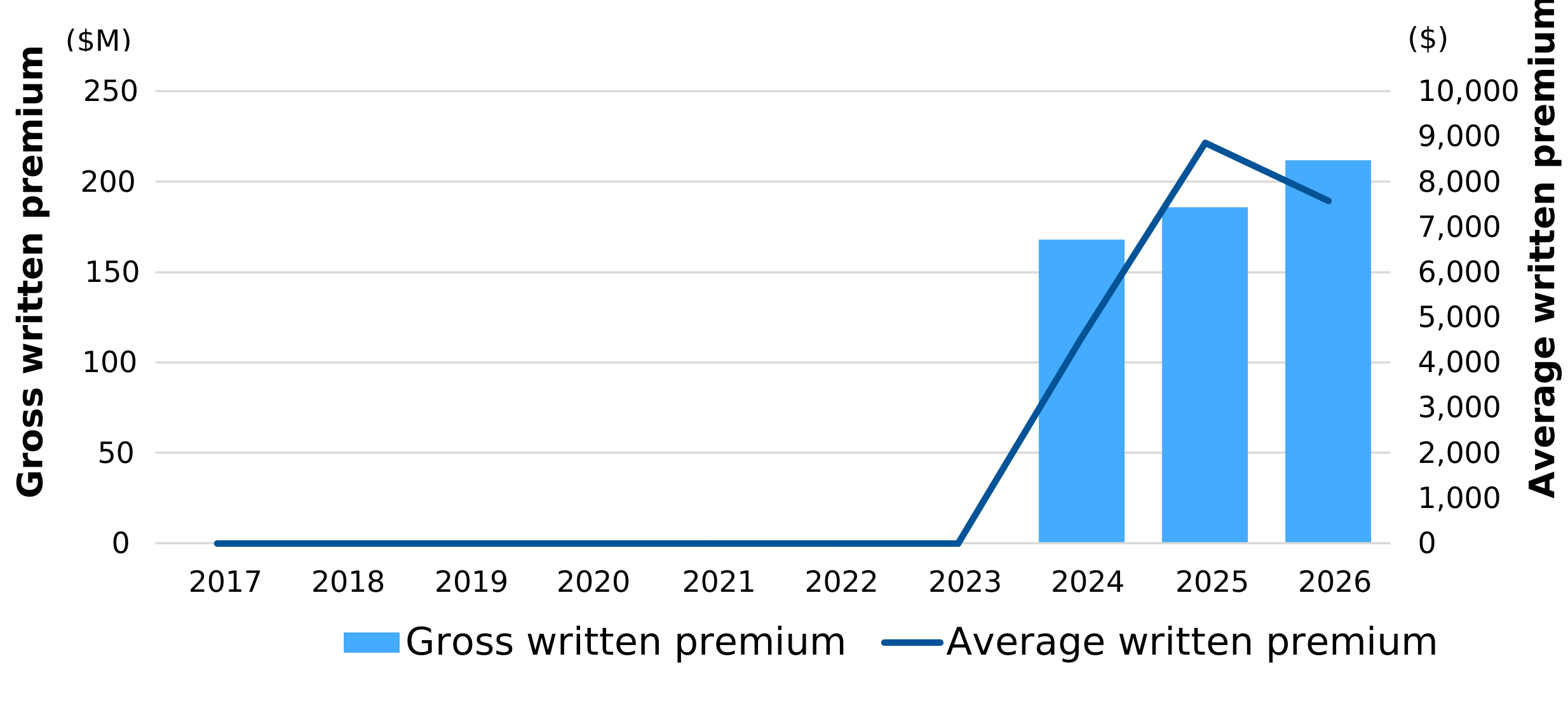
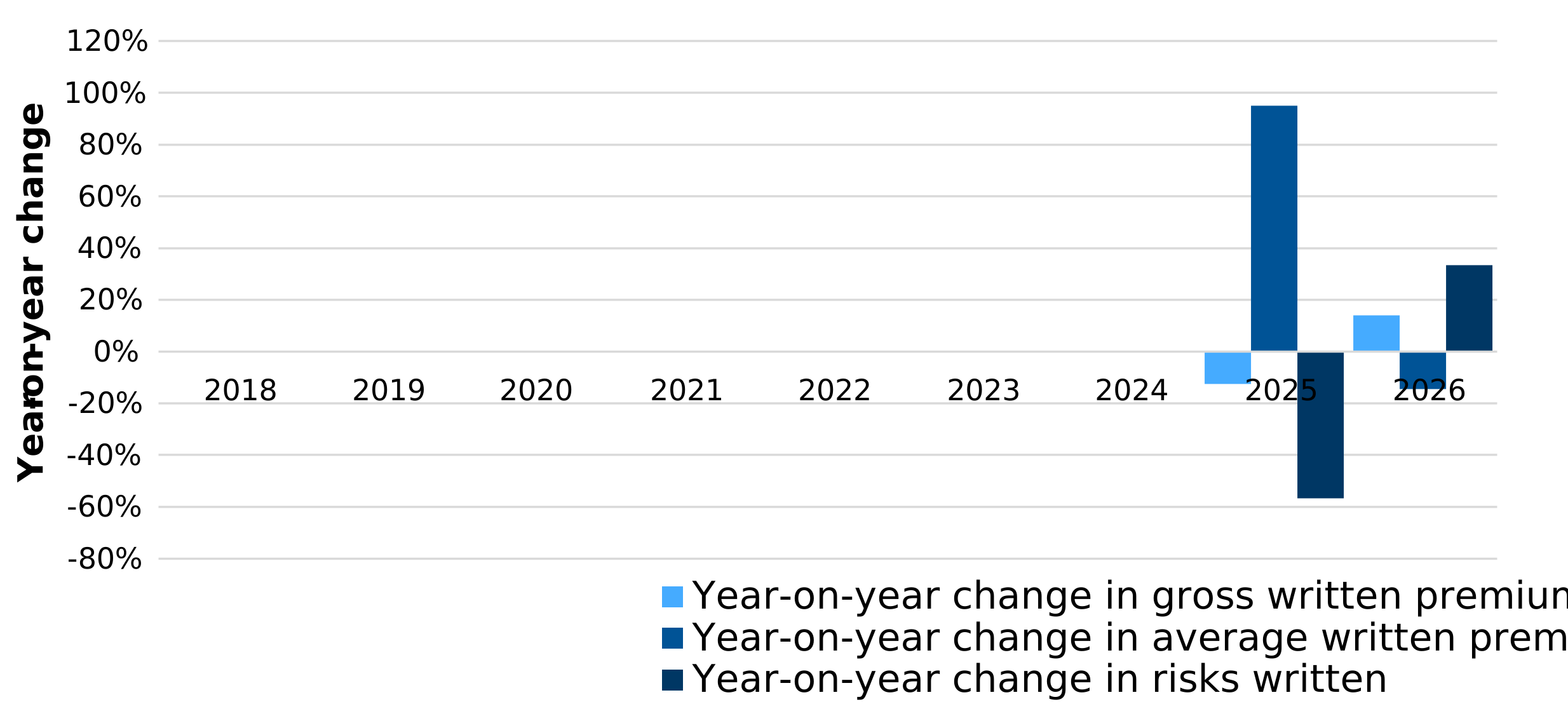
Change in GWP
Change in AWP
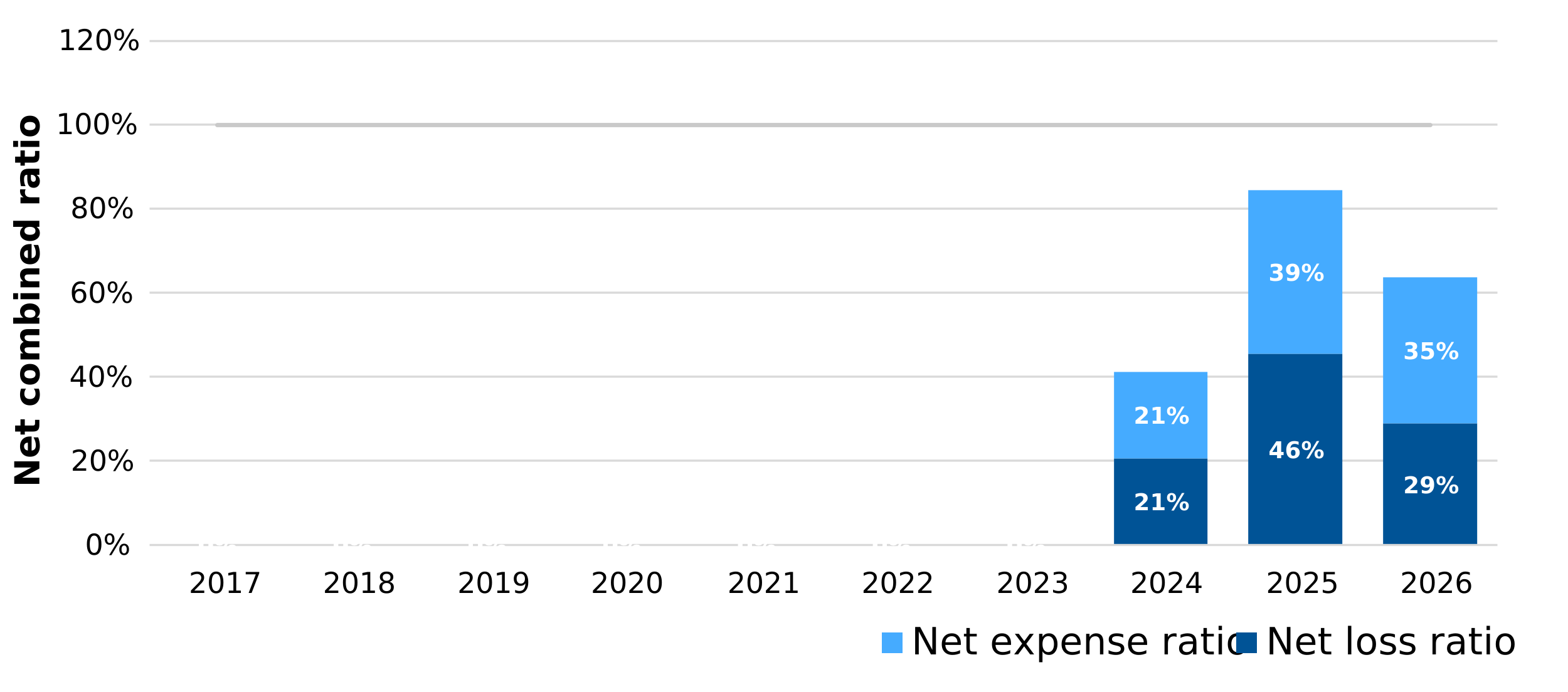
Net combined ratio
What’s driving these results?
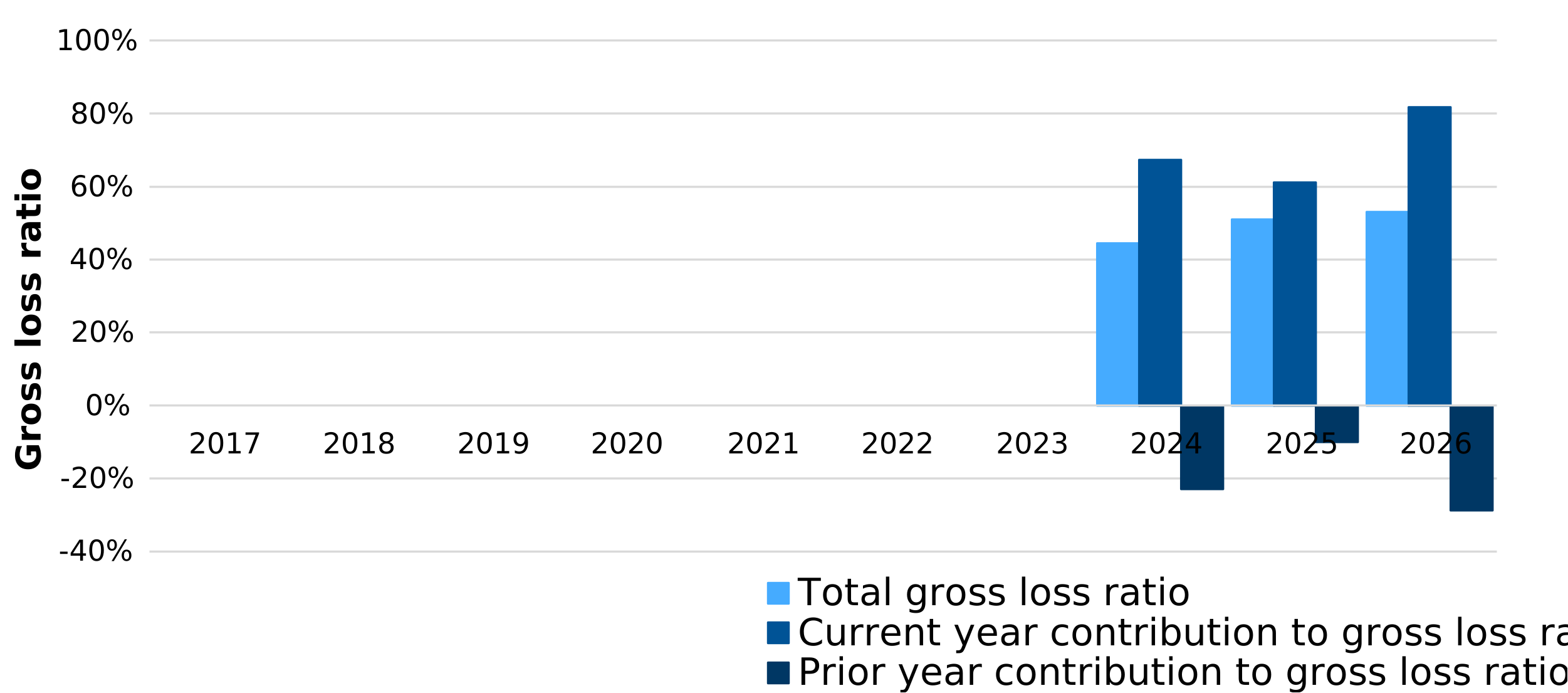
These forecasts are underpinned by a growth in policy numbers offsetting reductions in AWP.
Charts
Refer to About the data for the fine print; September 2023 quarter is excluded from 2024 figures.
Our experts and contributors