Lenders
Mortgage Insurance
Australia’s housing cycle has turned, with higher-for-longer interest rates and softer house prices placing upward pressure on borrower arrears and, potentially, claims. At the same time, LMI continues to provide valuable downside protection and capital relief to lenders. Two considerations for LMI insurers stand out: the potential for increasing arrears and claims, and the impact on future revenue.
Pressure on arrears and claims is building
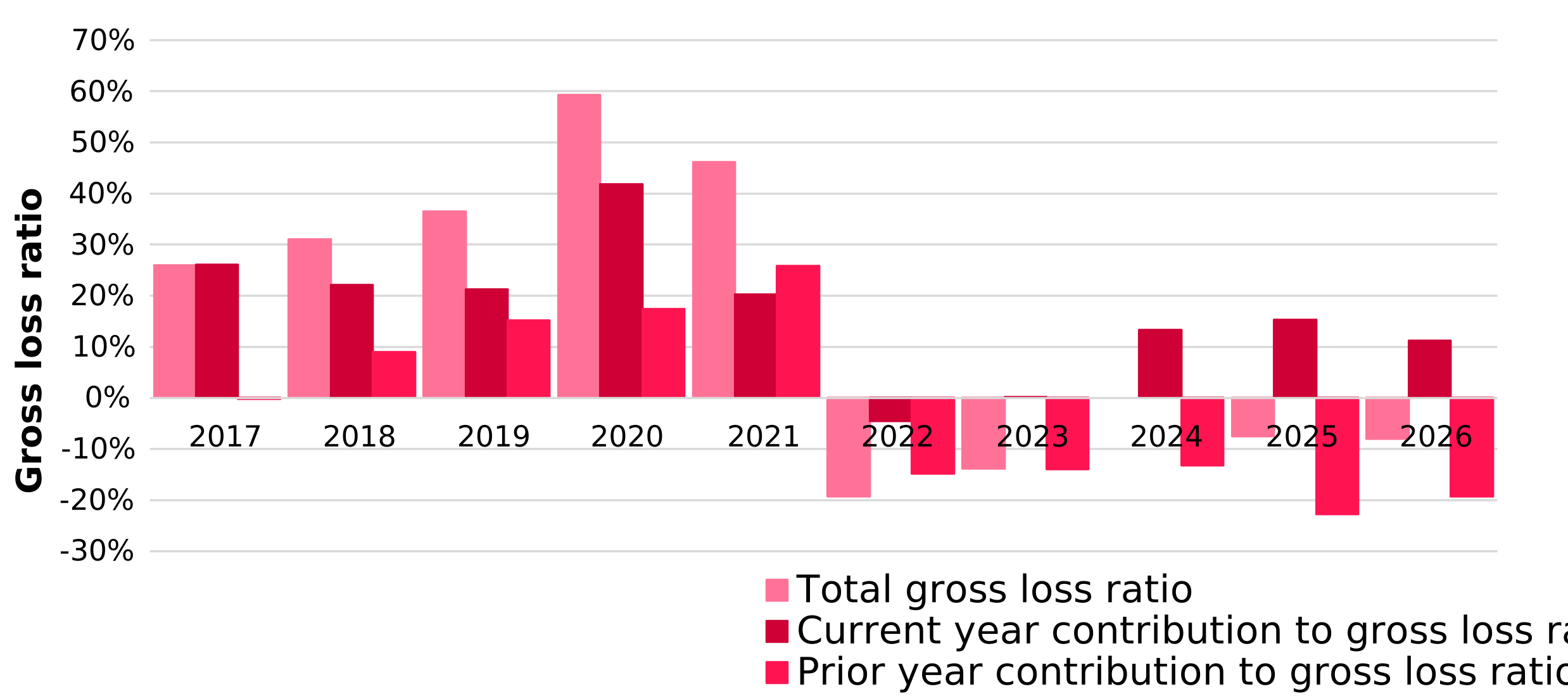
LMI claims activity currently remains benign, supported by historical growth in house prices and lenders proactively engaging with borrowers experiencing financial hardship. This has given borrowers time to self-correct their financial stress through refinancing, loan restructuring or selling their home, helping to avoid the worst outcome of a forced sale over a short period.
However, higher interest rates, rising mortgage repayments and a softer property market are placing upward pressure on arrears. The flow-on to LMI claims will be more gradual, particularly if lenders continue to offer current levels of hardship support. Equity buffers are also providing a degree of protection with house prices needing to fall materially before LMI losses arise on longer held properties.
The extent of the claims risk will vary by segment. The relationship between prior house-price growth and subsequent losses in a downturn has also been observed in other markets. During the global financial crisis, some of the most significant losses in the UK occurred in regions that had experienced substantial house-price appreciation leading into the downturn. In Australia, the Brisbane, Adelaide and Perth markets, which have had stronger house price growth before the current downturn, may face greater risk.
Insurers should consider the geographic composition of their portfolios by state and at a more regional level.
Making the case for LMI
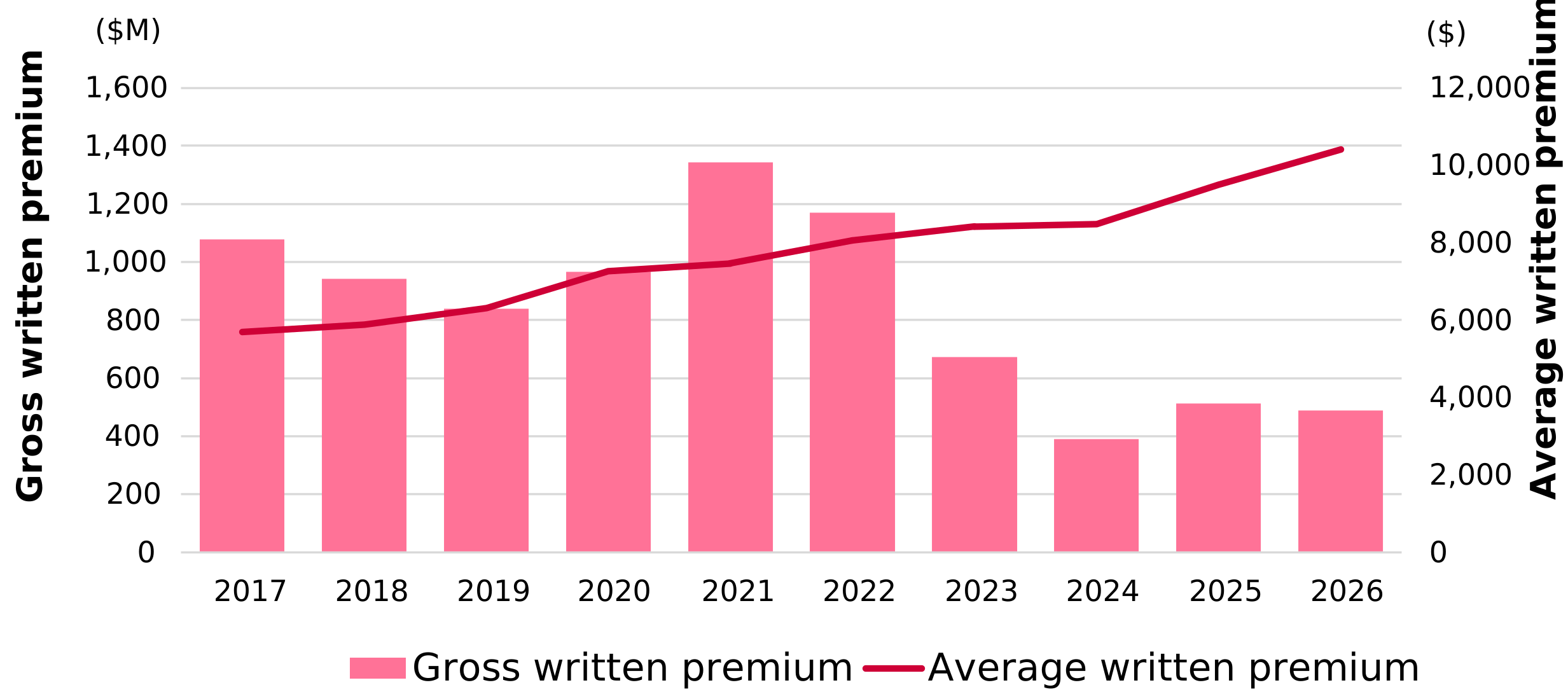
Premium volumes in recent years have been in decline. This has been driven by lenders waiving LMI for borrowers, as well as government initiatives such as the Australian Government 5% Deposit Scheme, which enables eligible home buyers to purchase a property with a low deposit and avoid paying LMI.
These factors have contributed to a 64% reduction in total premiums in the past five years, from around $1.34 billion annually in 2021 to $490 million annually in 2026. This reduction has occurred despite high loan-to-value ratio (LVR) lending returning to levels broadly consistent with 2021, resulting in lenders retaining a greater level of credit risk.
Recent weakness in overall lending activity is likely to place further downward pressure on LMI premium volumes, as there will be fewer new loans to insure. However, a softening housing market strengthens the case for LMI, with the downside protection and regulatory capital relief it provides to lenders becoming increasingly valuable.
Charts
Market challenges by government schemes and bank waivers
Refer to About the data for the fine print; September 2023 quarter is excluded from 2024 figures.
Our experts and contributors