Medical Indemnity
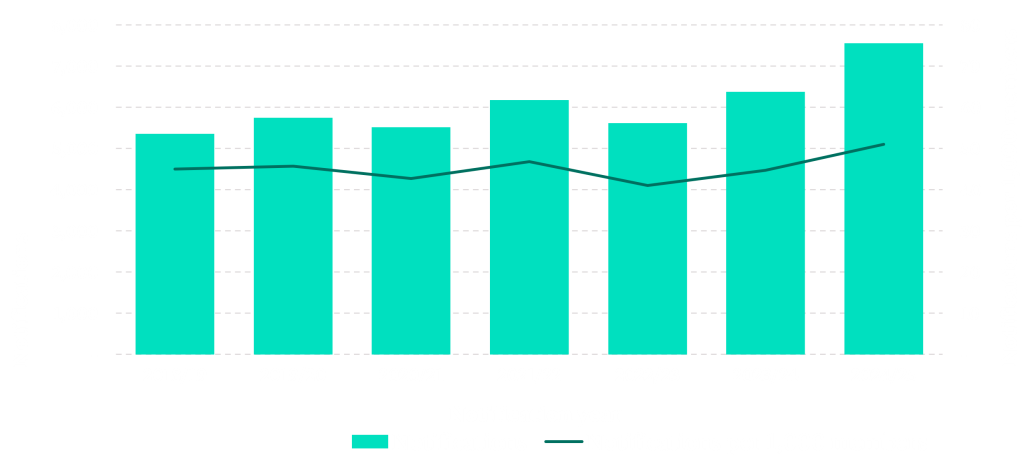
The medical indemnity landscape continues to evolve. Complaints and regulatory activity have been increasing in recent years – a consistent theme in our recent discussions with medical defence organisations (MDOs). This is also reflected in the Australian Health Practitioner Regulation Agency (AHPRA) data to 30 June 2025. Notifications involving medical practitioners have increased since 2022/23, both in number and relative to the number of registered practitioners. The mix of notifications has been reasonably stable, suggesting a broader shift in the risk environment rather than concentrated in one area. We unpack three areas shaping medical indemnity insurers.
Medical practitioner notification frequency (2018/19 to 2024/25)
AI is changing the complaints landscape
AI remains one of the main emerging risks being watched by medical indemnity providers with its impact starting to extend beyond how doctors use the technology.
MDOs told us they are seeing more patients use AI to prepare complaints. These can be more detailed and time-consuming to address and sometimes include irrelevant material or references to laws which do not apply in Australia. Practitioners are also beginning to use AI when preparing responses, which creates its own risks if the output is not carefully checked.
AI scribes remain an area of interest. MDOs have not yet seen material claims experience from their use, but issues around consent, privacy and the accuracy of clinical records remain. If these tools move beyond note-taking and begin making clinical recommendations, medical device regulation and different coverage issues may also come into play.
New models of care are attracting scrutiny
Telehealth has allowed some narrowly focused healthcare services to grow quickly. Medicinal cannabis, weight-loss treatments and other peptide therapies were raised in our discussions as areas attracting greater regulatory attention.
High-volume prescribing and single-service telehealth models can create risks around patient assessment, continuity of care and prescribing practices.
AHPRA reported eight practitioners had issued more than 10,000 medicinal cannabis scripts within a six-month period. It has also warned that high prescribing rates may trigger investigation even where no complaint has been received.
Cost pressures remain a key concern
Medical indemnity is also moving differently to the broader professional indemnity market.
APRA’s National Claims and Policies Database (NCPD) shows medical malpractice gross written premium increasing by around 37% between 2020 and 2024. Over the same period, Directors & Officers premium fell by 36%, while other professional indemnity coverage was broadly flat.
Gross written premium by product (UWY 2020-2024)
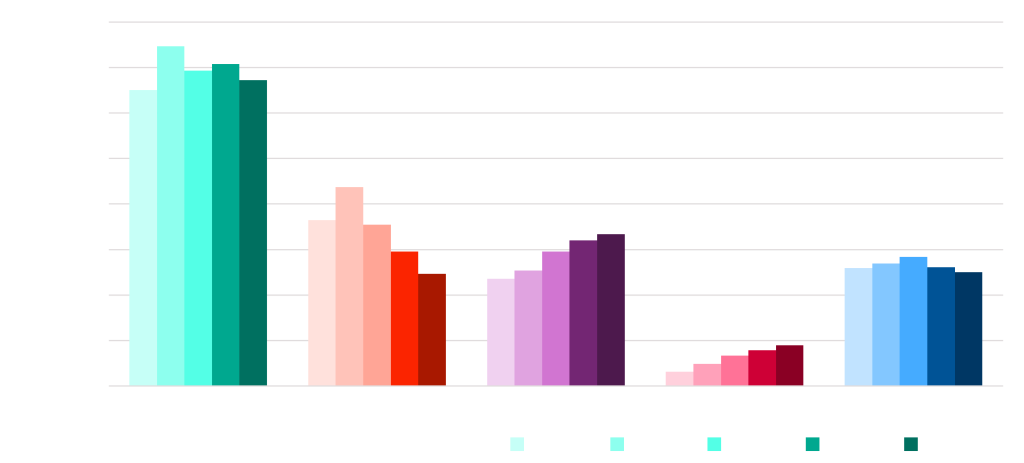
While gross written premium also reflects changes in exposure and portfolio mix, the divergence is notable and sits alongside the affordability concerns raised in our discussions with MDOs.
MDOs continue to report pressure from legal and care costs. Class actions and other large matters can create significant volatility, while professional and regulatory matters are also becoming more expensive to manage. The extent of these pressures varies by jurisdiction, reflecting differences in legal and judicial settings across states.
Rising indemnity costs could eventually affect healthcare services – some practitioners may change the services they provide or, at the margin, choose not to provide them at all. For medical indemnity providers, understanding how these risks are developing will require looking beyond traditional claims experience, particularly where complaints and regulatory activity provide an earlier signal of change.
“One practitioner … appears to have issued 17,000 scripts”
AHPRA, on medicinal cannabis prescribing, July 2025
Our experts and contributors